
Most Used Diagnostic Tools for High Blood Pressure Treatment
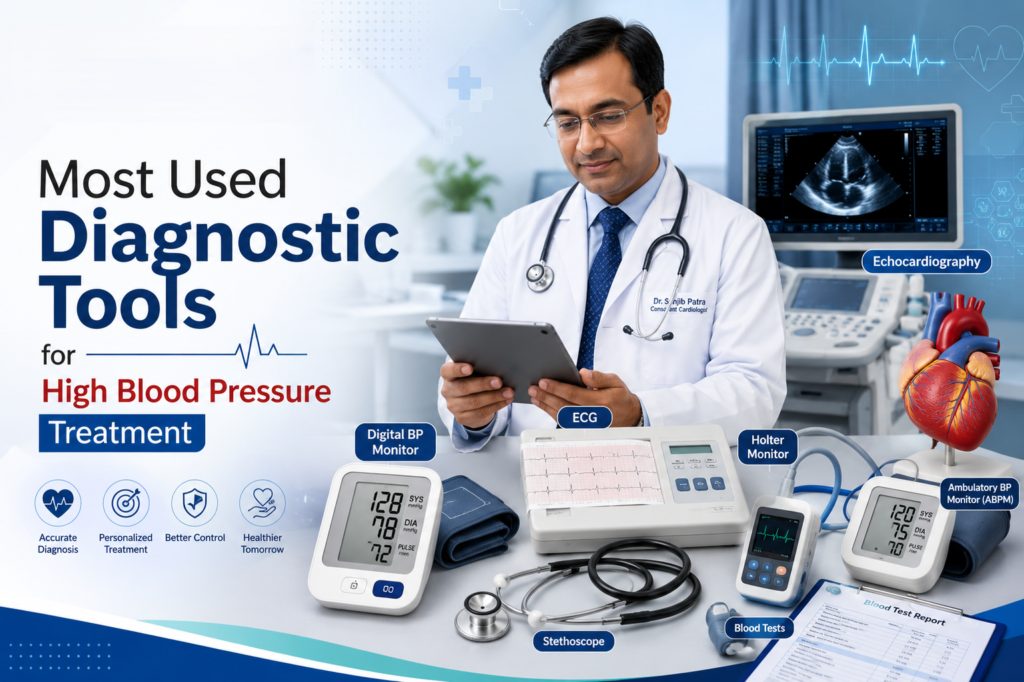
High Blood Pressure Treatment in Kolkata Are you suffering from fatigue, dizziness, or regular headaches without having any clear idea about it? Well, high blood pressure can well be the underlying cause that you should be aware of. High blood pressure hardly ever raises its voice. Rather, it just sits there quietly in the arteries of your body to wreak havoc bit by bit. This is precisely the reason why the need for high blood pressure treatment in Kolkata from professionals like Dr. Sanjib Patra is becoming a very significant topic for people in the city nowadays. Why Diagnosis Matters More Than You Think There is one very important fact regarding blood pressure. The measurement taken in a drug store is not always a complete picture of the situation. Your numbers may differ from morning until night. Moreover, they will be affected by stress, sleep patterns, salt consumption, as well as white coat syndrome. Nervousness caused by being in a clinic. So, a cardiologist in Kolkata pays attention not only to one measurement but also tries to figure out the condition of your heart, your kidneys, and your cholesterol levels. Most importantly, they try to prevent future disorders and detect them at an early stage. This is the purpose of diagnosis. 1. Electrocardiogram (ECG) ECG is the most common type of test that your doctor will run on you. This is because it’s fast, painless, and will tell your doctor everything about the electrical activity of your heart. The rate of your heartbeat and whether the rhythm is normal. Measures the heart’s enlargement due to long-term high BP. Reveals the early signs of a past heart attack that the patient didn’t know. In other words, the small test will tell you big information. For example, some patients will come with no chest pain, yet they have an increased activity of the heart. 2. Echocardiogram In case of any abnormality observed on the ECG, an echocardiogram follows. This diagnostic procedure works through the use of sound waves that create images of the beating heart. It’s similar to an ultrasound, but instead, it’s used to view the heart of the patient. The echocardiogram will allow your doctor to observe: Thickness of your heart muscle walls Pumping efficiency of your heart with each beat Any leakage or narrowing of the heart valves Also, like other procedures mentioned, the echocardiogram is painless and takes only about 20 to 30 minutes. Nevertheless, a high blood pressure treatment in Kolkata offers an insight into how your heart structure has been affected by long-term high blood pressure. 3. Kidney Function Test (KFT) There exists a direct link between your kidneys and blood pressure. It is, in fact, a kind of two-way process. The rise in BP levels can cause harm to your kidneys, and having damaged kidneys may result in a further increase in BP levels. Thus, it can become a vicious circle that cannot be broken without monitoring. Kidney Function Test is among the high blood pressure treatment in Kolkata, measuring the amount of serum creatinine, along with urea and electrolytes, in your blood to determine the efficiency of the filtration process of your kidneys. Further, your healthcare professional compares these values over time to determine any changes in them. This test is important since some BP-lowering medications depend on your kidney’s state. 4. Lipid Profile High blood pressure hardly ever comes by itself; it always takes high cholesterol with it. A lipid profile test will test your cholesterol level – it measures the LDL (bad one) and HDL (good one) and the triglycerides. Why is this important when getting high blood pressure treatment in Kolkata? High cholesterol constricts your arteries. Constricted arteries require you to pump harder. When you pump harder, your blood pressure goes even higher. This is how the agitation cycle works in your very body – the initial problem agitates others, and without a proper solution, grows into something bigger than itself. A lipid profile test breaks this cycle in its infancy stage. 5. Ambulatory Blood Pressure Monitoring (ABPM) This method is unique among others, and in fact, it changes the whole situation for many patients. Ambulatory Blood Pressure Monitoring means the use of a special mobile device, which automatically measures the patient’s blood pressure at an interval of 20 to 30 minutes in 24 hours. What is so helpful about this procedure? In fact, the thing is that it measures your BP in reality – at work, at sleep, while walking, or having a quarrel over the phone. This technique eliminates all the uncertainties caused by a single BP measurement in a clinic. The technique allows revealing the following: White coat hypertension (elevated BP in clinic only) Masked hypertension (normal BP in clinic, but elevated BP at home) Night-time BP patterns (which cannot be revealed with other techniques). In this way, the treatment will become more personalized. Bringing It All Together These five tools help to manage high blood pressure treatment in Kolkata. The ECG helps to analyze the rhythm of your heart. The echocardiogram helps to determine the structure of your heart. The kidney function test helps to protect the filtration system. The lipid profile helps to analyze the state of your arteries. And last but not least, the tool is ABPM – 24-hour long monitoring of BP behavior. Contact Dr. Sanjib Patra today and learn which method is best for you.
Peripheral Artery Disease (PAD): Symptoms, Causes, and Treatment
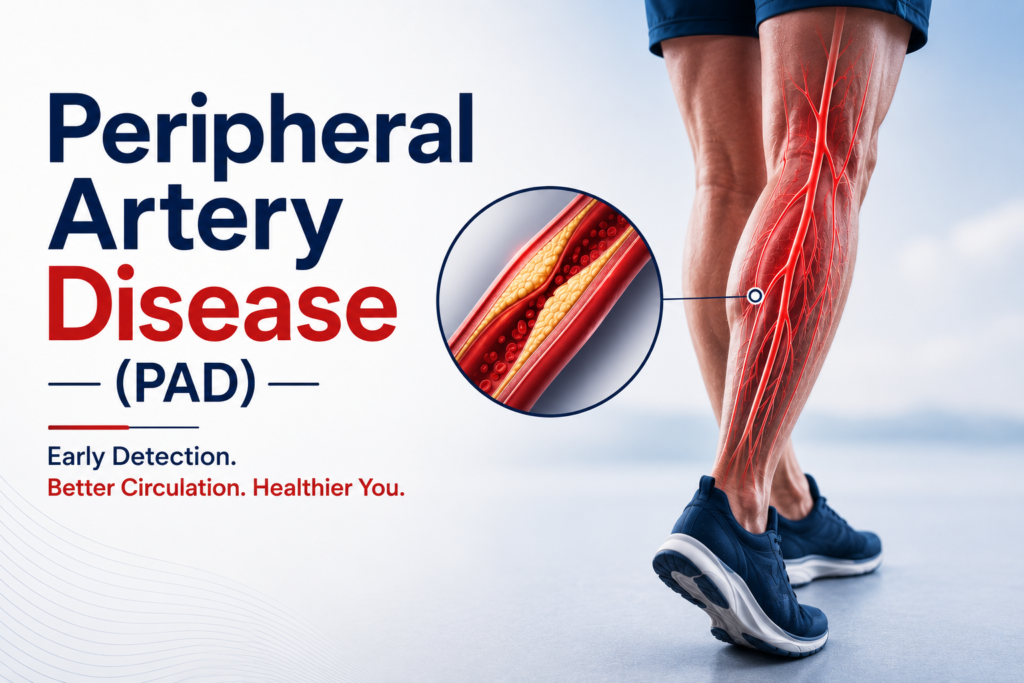
Introduction Peripheral Artery Disease (PAD) is a common circulatory condition in which narrowed arteries reduce blood flow to the limbs, most commonly the legs. It is primarily caused by the buildup of fatty deposits (atherosclerosis) in the arteries. If left untreated, PAD can lead to severe complications, including chronic pain, non-healing wounds, and even limb loss. Early diagnosis and treatment by the best cardiologist in Kolkata can help manage the condition effectively and reduce the risk of serious cardiovascular events. What Causes Peripheral Artery Disease? The most common cause of PAD is atherosclerosis, where cholesterol and fatty deposits accumulate inside the arteries, restricting blood flow. Several factors increase the risk of developing PAD, including: Smoking Diabetes High blood pressure High cholesterol Obesity Increasing age Family history of cardiovascular disease People with these risk factors should undergo regular cardiovascular evaluations. Consulting the best cardiologist in Kolkata can help detect PAD early and prevent complications. Symptoms of Peripheral Artery Disease Many people with PAD may not notice symptoms in the early stages. However, as the condition progresses, common symptoms include: Leg pain or cramping while walking (claudication) Numbness or weakness in the legs Coldness in one foot or leg Slow-healing sores on the feet or toes Shiny skin or hair loss on the legs Weak or absent pulse in the legs These symptoms should never be ignored, as they may indicate reduced blood circulation. The best cardiologist in Kolkata can perform specialized tests to confirm the diagnosis and recommend appropriate treatment. How Is PAD Diagnosed? Diagnosis begins with a detailed medical history and physical examination. Your doctor may recommend investigations such as: Ankle-Brachial Index (ABI) Doppler Ultrasound CT Angiography or MR Angiography Blood tests to assess cholesterol and blood sugar levels Early diagnosis allows timely treatment, helping improve blood flow and reduce the risk of heart attack and stroke. Treatment Options Treatment focuses on improving circulation, relieving symptoms, and preventing disease progression. Depending on the severity, treatment may include: Lifestyle modifications such as quitting smoking and regular exercise Healthy eating and weight management Medications to control cholesterol, blood pressure, and diabetes Blood-thinning medications when indicated Angioplasty and stent placement for blocked arteries Surgical bypass in advanced cases The best cardiologist in Kolkata will recommend a personalized treatment plan based on the severity of the disease and your overall health. Preventing Peripheral Artery Disease Maintaining a heart-healthy lifestyle is the best way to prevent PAD. Regular exercise, a balanced diet, controlling diabetes and blood pressure, avoiding tobacco, and maintaining a healthy weight significantly reduce the risk. Regular health screenings are especially important for individuals with multiple cardiovascular risk factors. Conclusion Peripheral Artery Disease is a serious but treatable condition that should never be overlooked. Recognizing the symptoms early and seeking prompt medical care can prevent severe complications and improve quality of life. If you experience leg pain while walking, slow-healing wounds, or have multiple cardiovascular risk factors, consult the best cardiologist in Kolkata for comprehensive evaluation and advanced treatment. Early intervention is the key to protecting both your limbs and your heart.
Obesity and Heart Health: What You Need to Know
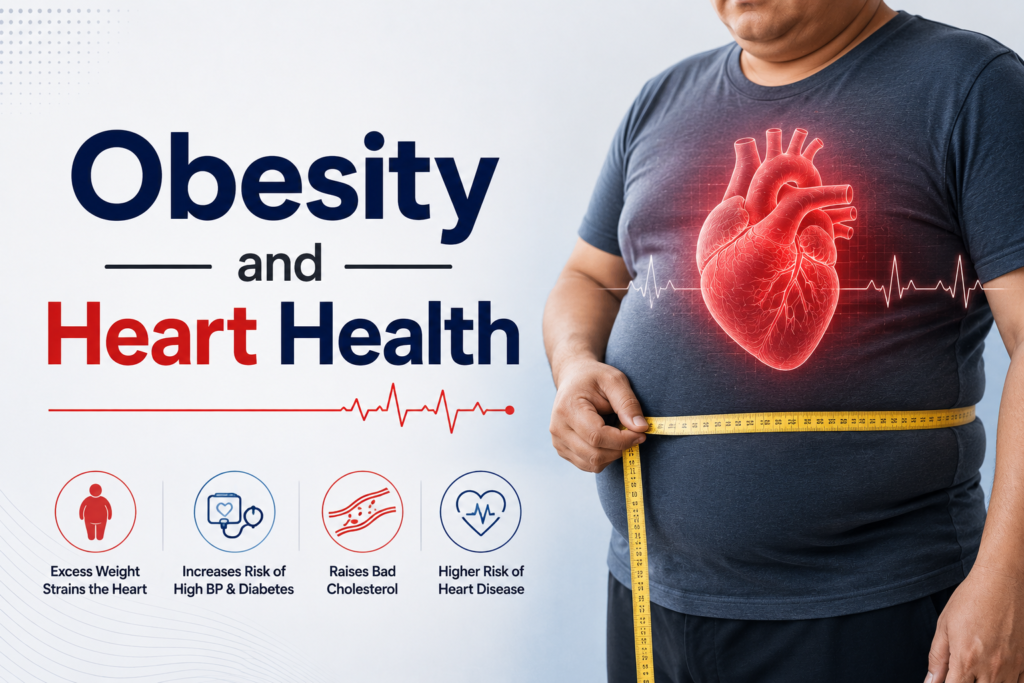
Introduction Obesity has become one of the leading health concerns worldwide, significantly increasing the risk of heart disease and other life-threatening conditions. Excess body weight puts additional strain on the heart, making it work harder to pump blood throughout the body. If left untreated, obesity can lead to high blood pressure, diabetes, high cholesterol, and heart failure. Consulting the best cardiologist in Kolkata can help identify these risks early and guide you toward a healthier lifestyle. How Obesity Affects Your Heart Carrying excess weight affects your cardiovascular system in several ways. Fat deposits can build up in the arteries, reducing blood flow and increasing the risk of coronary artery disease. Obesity also raises blood pressure, forcing the heart to work harder than normal. Over time, this extra workload can enlarge the heart muscle and reduce its efficiency. People with obesity are also more likely to develop Type 2 diabetes, a major risk factor for heart disease. Seeking advice from the best cardiologist in Kolkata can help you understand your individual risk factors and develop a personalized treatment plan. Warning Signs You Shouldn’t Ignore Obesity-related heart problems often develop gradually. Some common warning signs include: Chest pain or discomfort Shortness of breath during daily activities Persistent fatigue Swelling in the legs or feet Irregular heartbeat High blood pressure If you experience any of these symptoms, do not delay medical attention. Early diagnosis by the best cardiologist in Kolkata can prevent serious complications and improve long-term heart health. Tips to Protect Your Heart The good news is that even modest weight loss can significantly improve heart health. Here are some effective ways to lower your risk: Eat a balanced diet rich in fruits, vegetables, whole grains, and lean proteins. Limit sugary drinks, processed foods, and saturated fats. Exercise for at least 150 minutes each week. Maintain a healthy body weight. Quit smoking and limit alcohol consumption. Get regular health check-ups to monitor blood pressure, cholesterol, and blood sugar levels. Making these lifestyle changes can reduce your chances of developing cardiovascular disease and improve your overall quality of life. When Should You See a Cardiologist? Individuals who are overweight or obese should consider regular heart health evaluations, especially if they have diabetes, hypertension, or a family history of heart disease. Preventive screenings can detect heart problems before symptoms become severe. Consulting the best cardiologist in Kolkata ensures that you receive comprehensive heart evaluations, advanced diagnostic tests, and personalized treatment strategies to reduce your cardiovascular risk. Conclusion Obesity is more than just a weight issue—it is a major risk factor for heart disease. The earlier you take action, the better your chances of preventing serious cardiac complications. Adopting a healthy lifestyle, staying physically active, and scheduling regular heart check-ups can make a significant difference. If you are concerned about your heart health or weight-related risks, don’t hesitate to consult the best cardiologist in Kolkata for expert guidance and comprehensive care. Prioritizing your heart today can help you enjoy a healthier and more active future.
A Complete Guide to Heart Failure Treatment in Kolkata

Heart Failure Treatment in Kolkata Heart failure is an ailment that can send your world spinning around you. Suddenly, you find yourself being told by a doctor about your ejection fraction and fluid retention. Heart failure treatment in Kolkata has reached great heights, and the city now boasts of some of the finest cardiology in Eastern India. Which means that you don’t need to go all the way to Delhi and Chennai for the best medical care possible. This guide from Dr. Sanjib Patra will help you understand everything related to the hospitals, doctors, and most importantly, the heart failure treatments in Kolkata. What is Heart Failure? Heart failure does not imply that the heart has ceased functioning altogether; rather, it implies that the heart is unable to pump blood as effectively as it should. Thus, the body is denied the amount of oxygen and nutrients it requires, and symptoms begin to manifest themselves. The silver lining is that with a proper cardiologist in Kolkata leading the treatment, heart failure can be controlled. Many patients end up having normal lives despite their condition. But first things first; finding the right hospital and doctor is key. Leading Hospitals for Heart Failure Care in Kolkata The selection of a hospital is one of the most significant decisions to make at this juncture. First and foremost, you should prioritize a hospital that offers 24×7 emergency cardiac services, an intensive ICU system, and experienced doctors. Desun Hospital Desun Hospital leads this area, having established itself as Kolkata’s first superspeciality hospital. It is not only NABH certified and JCI certified but also has extensive experience in dealing with various types of medical conditions, including cardiac disorders. The hospital operates a Cardiology and Cardiac Surgery (CTVS) department with specialists working around the clock. ICU beds with individual ventilators, and a rooftop helipad for emergency transports. And the latter is especially important because in case of an emergency, even minutes are crucial. Apollo Hospitals Another reputable hospital is Apollo Hospitals, which is known for its high level of service and experience working in this area. This is a network of hospitals that has been working in India for several decades already, so it has a lot of expertise in the cardiology field as well as modern equipment and procedures for heart failure treatment. Prominent Cardiologists and Specialists in Kolkata However, finding the right heart failure treatment in Kolkata is, in truth, half the battle. A skilled specialist will not only help address your health problem but also explain the diagnosis in simple terms and create a treatment regimen based on your lifestyle and daily routine, and not solely based on your test results. Dr. Sanjib Patra For example, Dr. Sanjib Patra is the Director and Head of Cardiology at Desun Hospital who specializes in interventional cardiology. His education is from AIIMS, and he has received several fellowships for complex coronary intervention in Italy and Toronto for electrophysiology. The procedures Dr. Patra performs include pacemaker implantation, coronary angioplasty, and ICD placement. This also includes various devices for heart failure, including cardiac resynchronization therapy. One of the most frequently heard reviews from his patients is that he explains the treatment regimen in detail. Dr. Aritra Konar One more cardiologist is Dr. Aritra Konar, who holds the position of Consultant Interventional Cardiologist. He has vast practical experience in performing coronary angiography, angioplasty, permanent pacemaker implantation, right heart catheterization, and many other procedures. His patients often praise Dr. Konar for the fact that he takes time to explain complex diagnoses in detail. Available Treatment Options in the City Heart failure treatment in Kolkata is not always a one-size-fits-all affair. The initial stages after diagnosis would require you to take drugs and make changes to your lifestyle. But if the disease worsens or your heartbeat is disrupted, we can try other treatment methods. Here are two methods that are highly efficient for people with heart failure in Kolkata: Physiological Pacemakers These are not your old pacemakers. The physiological pacemaker delivers an electrical signal that mimics your heart’s natural rhythm much better than older pacemakers do. For heart failure patients, another type of pacemaker known as Cardiac Resynchronization Therapy (CRT) uses signals to make both the left and right ventricles of the heart work together again. For example, a heart failure patient who had both his heart chambers working out of sequence, making him breathless and tired, would actually see improvements in just a few weeks after the device was implanted. The procedure takes less time and is done in a few days. Coronary Artery Bypass Grafting (CABG) In the case of heart failure caused by blocked coronary arteries, the solution lies in bypass grafts. The process of heart failure treatment in Kolkata includes creating a new passage for blood to flow around the blocked coronary arteries using another blood vessel from somewhere else in the body. In other words, the procedure helps restore normal blood flow through the heart muscle. CABG is major surgery, but success rates are quite good. CABG is performed at Desun Hospital and also Apollo Hospitals in Kolkata. What to Expect During Your Treatment Journey First, expect a comprehensive test for diagnosis — ECG, echocardiography, blood work, and, in some cases, an angiogram. Next, your doctor will decide on the necessity of using drugs only or the need to implant a device or perform surgery. If you need a pacemaker or CRT implantation, our team will perform the surgery under local anesthesia, which takes several hours. If you undergo a CABG (coronary artery bypass graft), expect to spend a week in the hospital followed by several weeks of rehabilitation. Post-procedure visits are mandatory — this way, your doctors will detect issues at the earliest stage. It is the same story with lifestyle changes — they are as important as the operation. Making the Right Choice No one heart failure treatment in Kolkata can be considered ideal in this case, since it entirely depends on your particular case,
Why Are Heart Attacks More Common in the Morning?
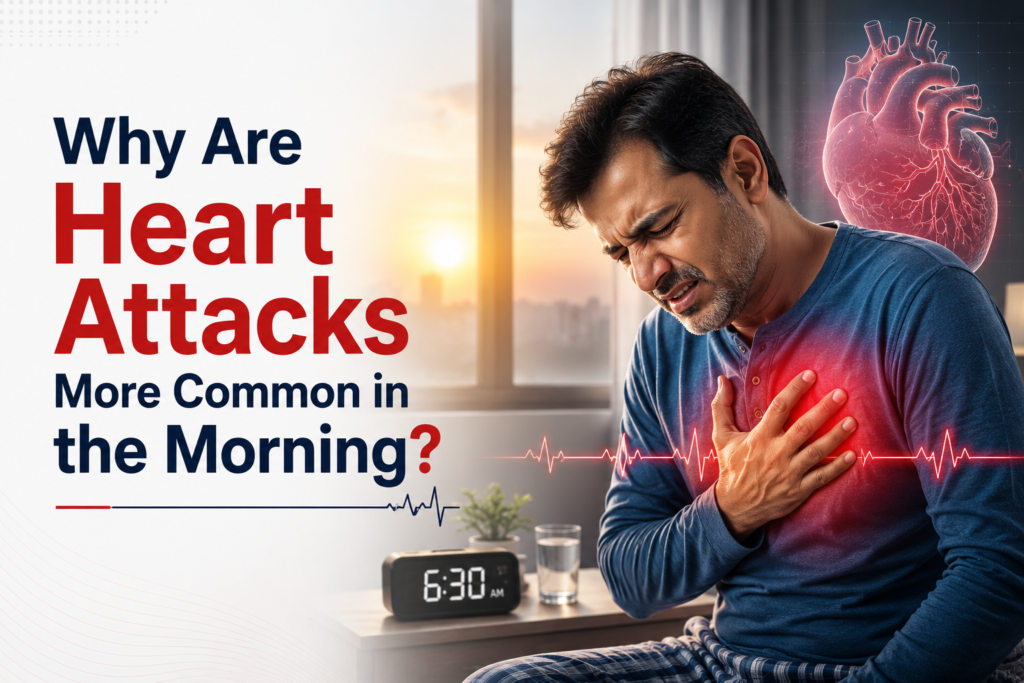
Introduction Heart attacks can happen at any time of the day, but research has shown that they are more likely to occur during the early morning hours, especially between 6:00 AM and 12:00 PM. Understanding why this happens can help people recognize the risks and take preventive measures. If you have risk factors such as high blood pressure, diabetes, obesity, or a family history of heart disease, consulting the best cardiologist in Kolkata can help you protect your heart. What Happens to Your Body in the Morning? When you wake up, your body undergoes several natural changes. Hormones like adrenaline and cortisol increase to prepare you for the day’s activities. While these hormones help you feel alert, they also cause your heart to work harder. At the same time, your blood pressure and heart rate begin to rise. Blood also becomes slightly thicker in the morning, making it easier for clots to form. If a coronary artery is already narrowed by cholesterol deposits, this sudden increase in pressure can cause the plaque to rupture, leading to a heart attack. This is one reason why the best cardiologist in Kolkata often advises high-risk patients to closely monitor their cardiovascular health. Factors That Increase Morning Heart Attack Risk Several factors contribute to the higher risk of heart attacks during the morning: A sudden rise in blood pressure after waking up Increased levels of stress hormones such as cortisol Greater platelet activity, making blood more likely to clot Reduced blood flow in narrowed coronary arteries Smoking immediately after waking Skipping prescribed heart medications People with hypertension, diabetes, high cholesterol, obesity, or existing heart disease are particularly vulnerable during these hours. Warning Signs You Should Never Ignore Recognizing the symptoms of a heart attack can save your life. Seek immediate medical attention if you experience: Chest pain or pressure Pain spreading to the left arm, jaw, neck, or back Shortness of breath Cold sweating Sudden dizziness or lightheadedness Nausea or vomiting Unusual fatigue Many people mistake these symptoms for acidity or indigestion, delaying treatment. Early diagnosis by the best cardiologist in Kolkata can significantly improve survival and reduce long-term heart damage. How Can You Reduce the Risk? Although you cannot control your body’s natural morning hormone changes, you can reduce your overall risk through healthy lifestyle choices: Take your prescribed medications regularly. Control blood pressure, blood sugar, and cholesterol. Eat a heart-healthy diet rich in fruits, vegetables, and whole grains. Exercise regularly as advised by your doctor. Avoid smoking and excessive alcohol consumption. Manage stress through meditation, yoga, or adequate sleep. Never ignore recurring chest discomfort or breathlessness. Regular health check-ups are especially important if you are over 40 years of age or have multiple cardiovascular risk factors. The best cardiologist in Kolkata can recommend screening tests and personalized treatment plans based on your medical history. Conclusion Heart attacks are more common in the morning because of natural hormonal changes, increased blood pressure, and a higher tendency for blood clot formation after waking up. While these biological changes are normal, their effects can become dangerous in people with underlying heart disease. Maintaining a healthy lifestyle, recognizing early warning signs, and scheduling regular heart check-ups with the best cardiologist in Kolkata can greatly reduce your risk and help keep your heart healthy for years to come.
Why Heart Attacks Are Increasing Among Young People
Heart attacks were once considered a health problem affecting only older adults. However, in recent years, there has been a significant rise in heart attacks among people in their 20s, 30s, and 40s. This alarming trend has become a major public health concern. While genetics can play a role, unhealthy lifestyle habits, stress, and underlying medical conditions are contributing to the increasing number of young patients experiencing heart attacks. Unhealthy Lifestyle Choices One of the biggest reasons behind the rise in heart attacks among young people is an unhealthy lifestyle. Long working hours, lack of physical activity, frequent consumption of fast food, smoking, excessive alcohol intake, and inadequate sleep all increase the risk of heart disease. Obesity, high cholesterol, and high blood pressure are becoming more common in younger adults, putting additional strain on the heart. Consulting the best cardiologist in Kolkata can help identify these risk factors early and prevent serious complications. Stress and Mental Health Modern life is filled with stress. Job pressure, financial responsibilities, academic competition, and personal challenges can significantly affect heart health. Chronic stress increases the production of stress hormones, which may raise blood pressure and heart rate. Over time, this can damage blood vessels and increase the risk of a heart attack. Young adults should learn healthy stress management techniques such as regular exercise, meditation, and adequate sleep to protect their hearts. Diabetes and High Blood Pressure at a Younger Age Lifestyle diseases such as diabetes and hypertension are no longer limited to older adults. Poor dietary habits, obesity, and sedentary lifestyles have caused these conditions to appear much earlier in life. Both diabetes and high blood pressure damage blood vessels and increase the risk of blocked arteries, making heart attacks more likely. Regular health check-ups with the best cardiologist in Kolkata can help detect these conditions before they become life-threatening. Smoking,Vaping, and Substance Abuse Smoking remains one of the leading causes of heart disease. Nicotine narrows blood vessels, raises blood pressure, and increases the risk of blood clots. Vaping, often considered a safer alternative, can also harm the cardiovascular system. Additionally, recreational drugs such as cocaine and amphetamines can trigger sudden heart attacks even in otherwise healthy young individuals. Ignoring Early Warning Signs Many young people ignore symptoms such as chest pain, shortness of breath, unusual fatigue, dizziness, or pain radiating to the arm or jaw, believing they are too young to have heart problems. Delayed medical attention often worsens outcomes. Seeking timely advice from the best cardiologist in Kolkata can lead to early diagnosis and life-saving treatment. How to Reduce the Risk. Maintaining a balanced diet, exercising for at least 30 minutes daily, avoiding tobacco, limiting alcohol, managing stress, and getting regular health screenings can significantly reduce the risk of heart attacks. Monitoring blood pressure, blood sugar, and cholesterol levels is equally important, especially if there is a family history of heart disease. Conclusion The increasing number of heart attacks among young people highlights the need for greater awareness and healthier lifestyle choices. Early prevention is always better than emergency treatment. If you experience any warning signs or have multiple risk factors, do not delay seeking medical advice. Consulting the best cardiologist in Kolkata can help identify heart-related problems early, provide personalized treatment, and guide you toward a healthier, heart-safe future. Prevention, regular check-ups, and timely care from the best cardiologist in Kolkata can make all the difference
Is it Possible to Lower Blood Pressure Without Medication?
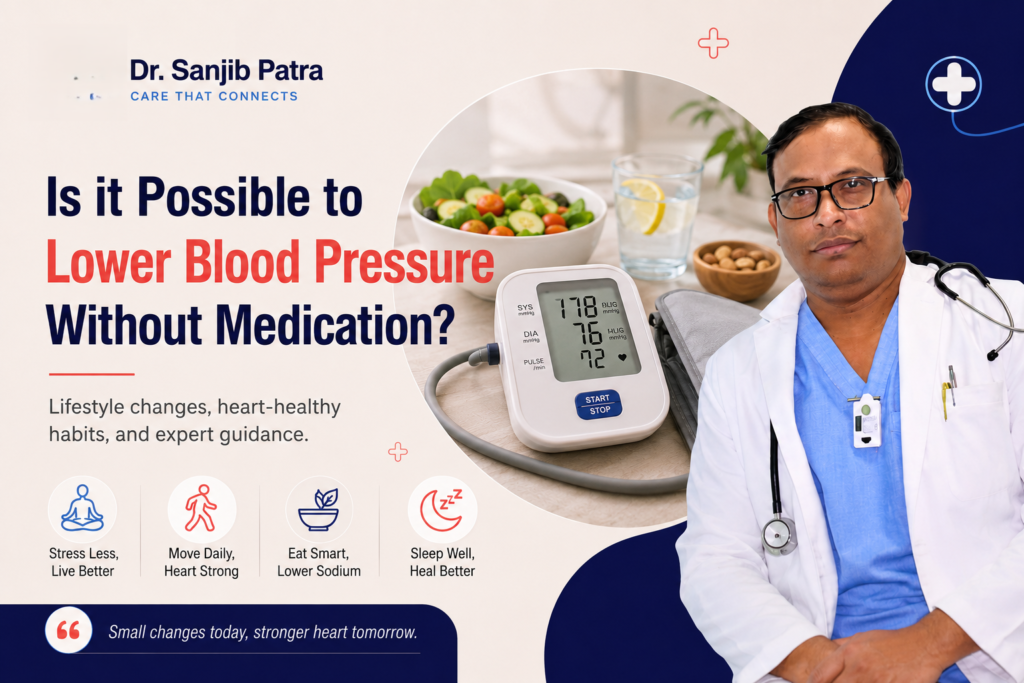
High Blood Pressure Treatment in Kolkata Now that you have just been informed about the rising numbers, chances are that you are currently on the lookout for solutions. Thankfully, plenty of people who need high blood pressure treatment in Kolkata have the same doubt in their minds. Can I solve this problem without medication? The straightforward answer from Dr. Sanjib Patra would be yes at times and no at other times. So, let us explore how it is done. What Happens When Blood Pressure Runs High? Blood pressure refers to the force applied on the walls of your arteries by your blood. If your blood pressure stays elevated for an extended period, your heart will have to work extra hard. Over time, this results in deterioration of your arteries, heart, and even kidneys. The difficult thing about this is that most individuals do not exhibit any symptoms at all. This is the reason why people refer to high blood pressure as the “silent” killer. Can You Really Lower It Without Medicine? As per any cardiologist in Kolkata, mild-to-moderate hypertension could be managed solely by modifying one’s lifestyle. In other words, one’s lifestyle is what makes all the difference, and one’s diet, activity level, sleep pattern, and stress level directly affect one’s numbers. However, not everybody will manage hypertension using only the mentioned methods. Sometimes people will need some medical help in addition to the mentioned efforts. Small Diet Changes That Make a Big Difference Food should always be the first step, and fortunately, food is one area where you don’t have to make drastic changes. Here are some steps: Decrease your salt consumption, even by small amounts Increase your intake of bananas, spinach, and potatoes (potassium-containing foods neutralize sodium) Consume whole grains instead of refined grains Reduce the amount of alcohol that you drink None of these changes have to occur immediately; start slow and take it one step at a time. Move More, Even If It’s Just Walking No gym membership is required to make a difference. Walking for half an hour, five times a week, will really help your reading become better. Activities such as cycling, swimming, and even dancing can be included in the list. The trick behind high blood pressure treatment in Kolkata is not about intensity, but consistency. It takes just a couple of weeks to realize that one feels less short of breath and more energized. Stress and Sleep: The Overlooked Triggers But stress affects more than just your state of mind; it spikes up your blood pressure in seconds, and in case of prolonged periods, it maintains that spike. Poor sleep does the same. Most importantly, people usually overlook both of these factors since they seem “irrelevant” to heart disease prevention. But in reality, things such as deep breathing or meditation can make a huge difference. When Should You See a Cardiologist in Kolkata? These changes can go a long way, but there comes a point where their effectiveness is constrained. When your blood pressure fails to come down even after several months, or when you feel any chest pain, dizziness, or excessive tiredness, it’s high time that you visit a cardiologist in Kolkata. He or she can run the necessary tests and tell you whether you actually need medication. Why Professional Guidance Still Matters? It becomes difficult when one tries to cope with it all alone, since there is so much contradictory information available on the internet nowadays. This is where the importance of the right high blood pressure treatment in Kolkata comes into play. A professional cardiologist will take into account not only the medications but also your overall situation: diet, stress levels, genetics, and even diabetes/cholesterol levels. Natural Ways to Lower Blood Pressure Without Medication Unfortunately, there is no easy solution, and anybody promising such an outcome might not be entirely truthful. However, a combination of wise nutrition, physical activity, improved sleep, and stress management allows the body to self-heal, and for many individuals suffering from mild or borderline hypertension, this approach alone is enough to return blood pressure levels to a normal range within a couple of months. Combining Lifestyle Changes With Medical Support This is absolutely natural for certain individuals since genetics, age, and pre-existing diseases are all factors at work. In such instances, a cardiologist in Kolkata can advise on taking a low dose of drugs together with your lifestyle changes. This does not mean failure; it is just a more rational approach to keep your heart safe. Managing High Blood Pressure is Key To Good Health Therefore, is it possible to reduce high blood pressure without using drugs? Yes, it is possible for many, but not all. Dr. Sanjib Patra recommends combining drugs with a healthy diet and physical exercise. But before any of this can happen, it is important to have the correct diagnosis. For those living in Kolkata who are confused about their condition, taking the step forward for high blood pressure treatment in Kolkata would be a good decision. Frequently Asked Questions: Can walking by itself help bring down blood pressure? Walking on a regular basis, whether for just 30 minutes per day, can help bring down blood pressure in 4-6 weeks. This is effective particularly when coupled with a low salt intake. How soon will I start to see an improvement? The usual time is 4-8 weeks, although it depends on the initial levels and how strict one is with the change in lifestyle. When would it become inevitable to take medication? Whenever the blood pressure levels remain above 140/90 despite following healthy living habits, and if there are accompanying conditions such as diabetes, a cardiologist in Kolkata would usually prescribe medication. Is hypertension reversible? This is true if detected in the early stage, since many patients reverse it by following healthier living practices. However, in the case of advanced stages, it’s mainly about controlling rather than reversing.
Laser Angioplasty: A Modern Solution for Treating Blocked Heart Arteries
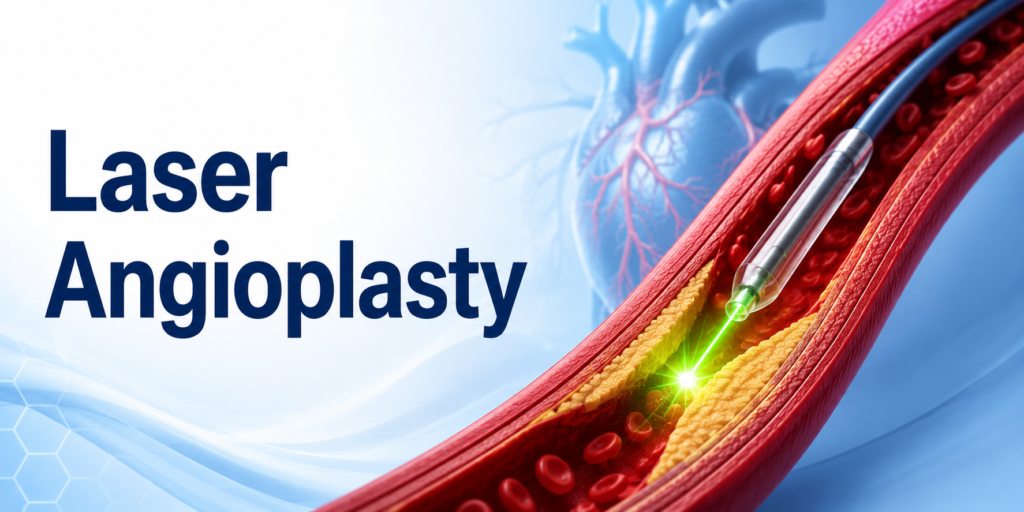
What is Laser Angioplasty? Heart disease remains one of the leading causes of health complications worldwide, and blocked coronary arteries are a major reason behind heart attacks and chest pain. Thanks to advancements in medical technology, laser angioplasty has emerged as an innovative treatment option for selected patients with complex arterial blockages. l1If you are looking for treatment from the best cardiologist in Kolkata, understanding this advanced procedure can help you make informed decisions about your heart health. Laser angioplasty is a minimally invasive procedure that uses a specialized laser catheter to remove or vaporize plaque deposits inside the coronary arteries. Unlike conventional balloon angioplasty, which compresses the blockage against the artery wall, laser angioplasty uses pulses of ultraviolet laser energy to break down the plaque into microscopic particles, helping restore normal blood flow to the heart. Who Needs Laser Angioplasty? Laser angioplasty is typically recommended for patients with hard, calcified, or difficult-to-treat blockages, blocked stents, or lesions that cannot be adequately treated with conventional balloon angioplasty alone. An experienced best cardiologist in Kolkata will evaluate your condition using diagnostic tests such as coronary angiography before determining whether this procedure is the right treatment option. Benefits of Laser Angioplasty Laser angioplasty offers several advantages over traditional treatment methods in selected cases. Some of its key benefits include: – Minimally invasive procedure – Greater precision in treating complex blockages – Reduced damage to surrounding tissues – Shorter hospital stay – Faster recovery – Improved blood flow to the heart In many cases, a stent is placed after laser angioplasty to keep the artery open and reduce the risk of future narrowing. Receiving treatment from the best cardiologist in Kolkata ensures access to advanced technology and expert cardiac care. Are There Any Risks? Like any medical procedure, laser angioplasty carries some risks, including bleeding, artery injury, infection, allergic reactions, or restenosis (re-narrowing of the artery). However, these complications are uncommon when the procedure is performed by an experienced best cardiologist in Kolkata in a well-equipped cardiac care center. Recovery After Laser Angioplasty Recovery is generally quick, with most patients returning to their normal routine within a few days. However, long-term success depends on maintaining a heart-healthy lifestyle. Eating a balanced diet, exercising regularly, quitting smoking, managing diabetes and blood pressure, and taking prescribed medications are essential. Regular follow-up with the best cardiologist in Kolkata helps monitor your recovery and reduces the risk of future heart problems. Conclusion Laser angioplasty is an advanced, minimally invasive treatment that offers excellent outcomes for selected patients with complex coronary artery disease. It can restore healthy blood flow, relieve symptoms, and reduce the risk of serious cardiac events. If you or a loved one has been diagnosed with blocked heart arteries, consult the best cardiologist in Kolkata to determine whether laser angioplasty is the right treatment. Early diagnosis, timely intervention, and expert cardiac care are the keys to a healthier heart.
Stress and Heart Attack: Understanding the Hidden Connection
Introduction Stress has become an unavoidable part of modern life. Deadlines, financial concerns, family responsibilities, and unhealthy lifestyles can all contribute to chronic stress. While many people associate stress with mental health, few realize its significant impact on the heart. 1Stress and Heart Attack: Understanding the Hidden Connection Prolonged stress can increase the risk of heart disease and heart attacks. Consulting the best cardiologist in Kolkata can help detect early warning signs and reduce your cardiovascular risk through timely evaluation and treatment. How Stress Affects Your Heart When you are stressed, your body releases hormones such as adrenaline and cortisol. These hormones temporarily increase your heart rate and blood pressure, allowing your body to respond to challenging situations. However, when stress becomes chronic, these constant hormonal changes put excessive strain on the heart and blood vessels. Over time, this may lead to inflammation, artery damage, and plaque buildup, increasing the likelihood of a heart attack. Stress-Related Habits That Increase Heart Attack Risk Stress often leads to unhealthy lifestyle choices that further damage heart health. Many people cope with stress by smoking, consuming alcohol, eating unhealthy foods, skipping exercise, or sleeping poorly. These habits contribute to obesity, high cholesterol, diabetes, and hypertension, all of which are major risk factors for heart disease. Regular consultation with the best cardiologist in Kolkata can help identify these risks early and provide effective preventive care. Warning Signs You Should Never Ignore A heart attack may present with symptoms such as chest pain, pressure or discomfort, shortness of breath, excessive sweating, dizziness, nausea, fatigue, and pain spreading to the jaw, neck, shoulder, or left arm. Sometimes, symptoms may be mild or atypical, especially in women, older adults, and people with diabetes. Seeking medical advice from the best cardiologist in Kolkata at the earliest sign of these symptoms can be life-saving. Ways to Reduce Stress and Protect Your Heart Managing stress is essential for maintaining good heart health. Regular exercise, yoga, meditation, deep breathing exercises, healthy eating, and getting 7–8 hours of quality sleep every night can significantly reduce stress levels. Spending time with family, maintaining hobbies, and seeking counselling when needed also help improve emotional well-being and reduce the burden on your heart. Importance of Regular Heart Check-ups Routine health screenings help detect heart disease before it becomes serious. Blood pressure monitoring, cholesterol testing, blood sugar evaluation, ECG, echocardiography, and stress tests can identify hidden cardiovascular problems. The best cardiologist in Kolkata can recommend appropriate investigations and personalized treatment plans based on your age, medical history, and risk factors. Conclusion Stress may not always directly cause a heart attack, but it significantly increases the risk by affecting both your body and lifestyle. Taking steps to manage stress, maintaining healthy habits, and undergoing regular cardiac evaluations can greatly improve heart health. If you experience chest pain, breathlessness, or persistent fatigue, do not ignore these symptoms. Consulting the best cardiologist in Kolkata ensures expert diagnosis, timely treatment, and comprehensive heart care, helping you protect your heart and enjoy a healthier future.
What to do if Someone has a Heart Attack?

Heart Attack Treatment in Kolkata A heart attack is a medical emergency that should be handled urgently. Time is of the essence here. Proper handling of the situation at the early stages can mean life or death for the affected individual. As well as preventing further damage to the heart. As per Dr. Sanjib Patra, in case you spot any of the signs of a heart attack and know how to act on it. Then you will play a vital role even before heart attack treatment in Kolkata. It becomes very crucial in such cases since most people do not always get prompt medical treatment. Understanding the Signs of a Heart Attack A heart failure treatment in Kolkata takes place when blood circulation to a section of the heart is blocked. In this case, the heart tissues start to be damaged because of the lack of oxygen supply to the affected sections. Symptoms usually include: Pain or pressure in the chest Tightness or a squeezing feeling in the chest area Pain extending from the chest to the arms, shoulders, neck, jaws, and back Shortness of breath Cold sweat Dizziness Vomiting or nausea Severe tiredness (females) However, different people exhibit different signs. While some people feel slight discomfort, others may experience chest pain. Step 1: Call Emergency Medical Services Immediately The first action to take is calling for emergency medical assistance. You shouldn’t delay your call to wait for heart attack treatment in Kolkata and see whether the symptoms will get better. It is a common mistake to drive yourself to the hospital. Nevertheless, emergency responders are capable of initiating treatment and providing assistance in case of any worsening situation. Keep in mind the following: Ask for medical help at once. Explain the symptoms clearly. Tell about a person’s age and general state. Stay on the phone if told to do so. In conclusion, never underestimate the symptoms of a heart attack. Step 2: Help the Person Stay Calm and Comfortable When awaiting medical assistance, make sure to convince the patient to sit and relax. The recommended posture is one of sitting upright with a slight bend in the knees. This will aid in minimizing the strain put on the heart. It is advisable to: Remove any tight-fitting clothes. Ensure proper air circulation. Create a soothing atmosphere. Assure the patient that help is imminent. Any anxiety may put additional strain on the heart. Hence, being calm is good for all parties involved. Step 3: Give Aspirin if Appropriate If the individual is aware and has no allergy to aspirin, the emergency responders will recommend that the patient get aspirin. Aspirin assists in preventing blood clotting and therefore reduces heart injury. Important considerations: It is only safe to give aspirin to someone who can chew and swallow. Do not administer aspirin to anyone with an allergy. Always adhere to emergency medical guidelines when possible. This is because aspirin is useful but cannot replace proper medical attention. Step 4: Monitor the Person Closely After asking for help, keep watching the person’s condition. Be aware of: Change in breathing Fainting Increased chest pain Disorientation and strange behavior Moreover, observe when the symptoms began. It is very helpful for heart attack treatment in Kolkata. Also, if the person has heart drugs prescribed by the doctor, like nitroglycerin, assist the person in taking them. But don’t give the person any medication that wasn’t prescribed. Step 5: Be Prepared to Perform CPR In some cases, the heart attack may result in an abrupt cardiac arrest. As a result, the heart does not pump blood anymore. Indications of such events are: The patient passes out Lack of breathing There is no reaction from the patient after trying to address him In such circumstances, it is necessary to: Contact emergency responders if this has not been done yet. Start performing chest compressions. Apply deep pressure to the center of the chest. Perform it until help arrives. Afterwards, use an AED if one is available and if you are aware of how to operate it. Knowing CPR is probably one of the most important skills that you can learn. When Should You Suspect a Serious Cardiac Emergency? A lot of people associate a heart attack with chest pain of high intensity. But there may not be very obvious symptoms. It becomes necessary to take immediate action if one is experiencing: Chest pain for a period of several minutes Recurrence of chest pain Sudden breathing difficulty Sweating without any explanation Feeling dizzy Jaw or left arm pain Some people, like elderly individuals, females, and those with diabetes, have peculiar symptoms. It is thus always advisable to get an urgent medical check-up done. Diagnosis and heart attack treatment in Kolkata at the earliest stages can be quite helpful. What Not to Do During a Heart Attack In addition to knowing what needs to be done, there is also the need for understanding what should not be done. Do not: Neglect the signs and delays in treatment Allow the individual to move around Feed them Administer any medicine without proper consent Isolate the individual In addition, avoid any panic since calmness will help the individual stay stable until help arrives. Why Early Treatment Makes a Difference The damage to heart tissue starts taking place within a few minutes of decreased blood flow. Thus, immediate medical assistance would help in restoring blood flow to the heart. Some of the available options at modern hospitals include: Medications for dissolving clots Angioplasty Coronary stenting Continuous cardiac monitoring Individuals opting for heart attack treatment in Kolkata tend to see improved results due to timely treatment. Immediate treatment would also help in minimizing the possibility of heart damage. Recovery and Follow-Up Care After a Heart Attack Surviving a heart attack is just the beginning. After all, it takes continued treatment and behavioral changes to recover. Some of the advice doctors might give would include: Heart-friendly eating behaviors Physical activity Managing medication Techniques for reducing stress Stopping smoking