
Introduction
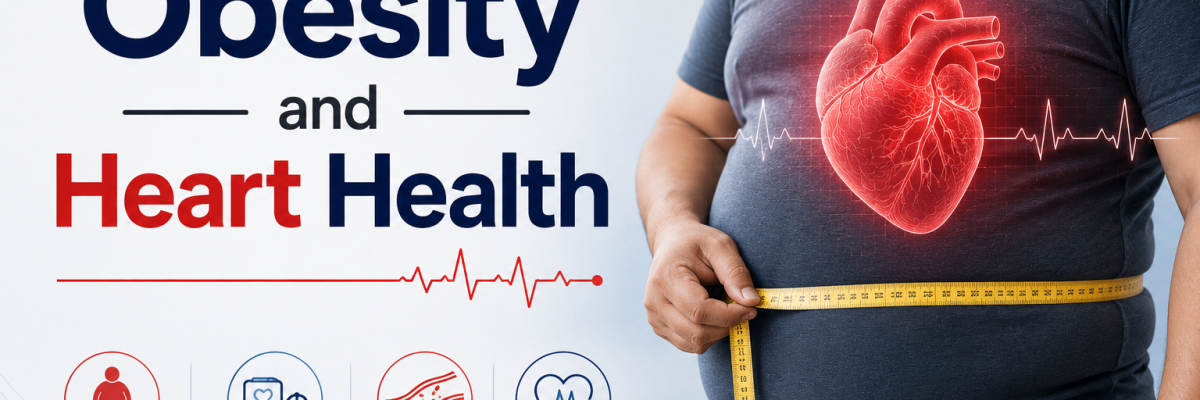
Obesity has become one of the leading health concerns worldwide, significantly increasing the risk of heart disease and other life-threatening conditions. Excess body weight puts additional strain on the heart, making it work harder to pump blood throughout the body. If left untreated, obesity can lead to high blood pressure, diabetes, high cholesterol, and heart failure. Consulting the best cardiologist in Kolkata can help identify these risks early and guide you toward a healthier lifestyle.
How Obesity Affects Your Heart
Carrying excess weight affects your cardiovascular system in several ways. Fat deposits can build up in the arteries, reducing blood flow and increasing the risk of coronary artery disease. Obesity also raises blood pressure, forcing the heart to work harder than normal. Over time, this extra workload can enlarge the heart muscle and reduce its efficiency.
People with obesity are also more likely to develop Type 2 diabetes, a major risk factor for heart disease. Seeking advice from the best cardiologist in Kolkata can help you understand your individual risk factors and develop a personalized treatment plan.
Warning Signs You Shouldn’t Ignore
Obesity-related heart problems often develop gradually. Some common warning signs include:
- Chest pain or discomfort
- Shortness of breath during daily activities
- Persistent fatigue
- Swelling in the legs or feet
- Irregular heartbeat
- High blood pressure
If you experience any of these symptoms, do not delay medical attention. Early diagnosis by the best cardiologist in Kolkata can prevent serious complications and improve long-term heart health.
Tips to Protect Your Heart
The good news is that even modest weight loss can significantly improve heart health. Here are some effective ways to lower your risk:
- Eat a balanced diet rich in fruits, vegetables, whole grains, and lean proteins.
- Limit sugary drinks, processed foods, and saturated fats.
- Exercise for at least 150 minutes each week.
- Maintain a healthy body weight.
- Quit smoking and limit alcohol consumption.
- Get regular health check-ups to monitor blood pressure, cholesterol, and blood sugar levels.
Making these lifestyle changes can reduce your chances of developing cardiovascular disease and improve your overall quality of life.
When Should You See a Cardiologist?
Individuals who are overweight or obese should consider regular heart health evaluations, especially if they have diabetes, hypertension, or a family history of heart disease. Preventive screenings can detect heart problems before symptoms become severe.
Consulting the best cardiologist in Kolkata ensures that you receive comprehensive heart evaluations, advanced diagnostic tests, and personalized treatment strategies to reduce your cardiovascular risk.
Conclusion
Obesity is more than just a weight issue—it is a major risk factor for heart disease. The earlier you take action, the better your chances of preventing serious cardiac complications. Adopting a healthy lifestyle, staying physically active, and scheduling regular heart check-ups can make a significant difference. If you are concerned about your heart health or weight-related risks, don’t hesitate to consult the best cardiologist in Kolkata for expert guidance and comprehensive care. Prioritizing your heart today can help you enjoy a healthier and more active future.