
Introduction
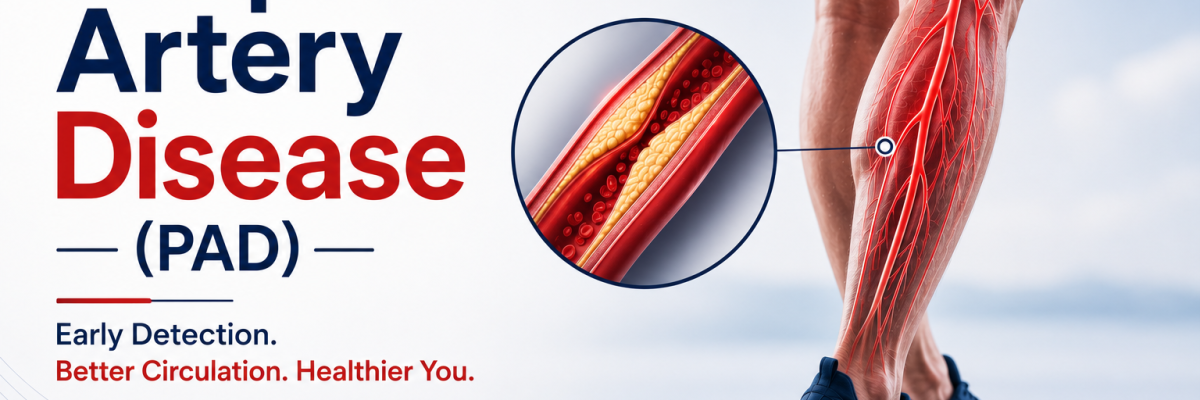
Peripheral Artery Disease (PAD) is a common circulatory condition in which narrowed arteries reduce blood flow to the limbs, most commonly the legs. It is primarily caused by the buildup of fatty deposits (atherosclerosis) in the arteries. If left untreated, PAD can lead to severe complications, including chronic pain, non-healing wounds, and even limb loss. Early diagnosis and treatment by the best cardiologist in Kolkata can help manage the condition effectively and reduce the risk of serious cardiovascular events.
What Causes Peripheral Artery Disease?
The most common cause of PAD is atherosclerosis, where cholesterol and fatty deposits accumulate inside the arteries, restricting blood flow. Several factors increase the risk of developing PAD, including:
- Smoking
- Diabetes
- High blood pressure
- High cholesterol
- Obesity
- Increasing age
- Family history of cardiovascular disease
People with these risk factors should undergo regular cardiovascular evaluations. Consulting the best cardiologist in Kolkata can help detect PAD early and prevent complications.
Symptoms of Peripheral Artery Disease
Many people with PAD may not notice symptoms in the early stages. However, as the condition progresses, common symptoms include:
- Leg pain or cramping while walking (claudication)
- Numbness or weakness in the legs
- Coldness in one foot or leg
- Slow-healing sores on the feet or toes
- Shiny skin or hair loss on the legs
- Weak or absent pulse in the legs
These symptoms should never be ignored, as they may indicate reduced blood circulation. The best cardiologist in Kolkata can perform specialized tests to confirm the diagnosis and recommend appropriate treatment.
How Is PAD Diagnosed?
Diagnosis begins with a detailed medical history and physical examination. Your doctor may recommend investigations such as:
- Ankle-Brachial Index (ABI)
- Doppler Ultrasound
- CT Angiography or MR Angiography
- Blood tests to assess cholesterol and blood sugar levels
Early diagnosis allows timely treatment, helping improve blood flow and reduce the risk of heart attack and stroke.
Treatment Options
Treatment focuses on improving circulation, relieving symptoms, and preventing disease progression. Depending on the severity, treatment may include:
- Lifestyle modifications such as quitting smoking and regular exercise
- Healthy eating and weight management
- Medications to control cholesterol, blood pressure, and diabetes
- Blood-thinning medications when indicated
- Angioplasty and stent placement for blocked arteries
- Surgical bypass in advanced cases
The best cardiologist in Kolkata will recommend a personalized treatment plan based on the severity of the disease and your overall health.
Preventing Peripheral Artery Disease
Maintaining a heart-healthy lifestyle is the best way to prevent PAD. Regular exercise, a balanced diet, controlling diabetes and blood pressure, avoiding tobacco, and maintaining a healthy weight significantly reduce the risk. Regular health screenings are especially important for individuals with multiple cardiovascular risk factors.
Conclusion
Peripheral Artery Disease is a serious but treatable condition that should never be overlooked. Recognizing the symptoms early and seeking prompt medical care can prevent severe complications and improve quality of life. If you experience leg pain while walking, slow-healing wounds, or have multiple cardiovascular risk factors, consult the best cardiologist in Kolkata for comprehensive evaluation and advanced treatment. Early intervention is the key to protecting both your limbs and your heart.