
Introduction
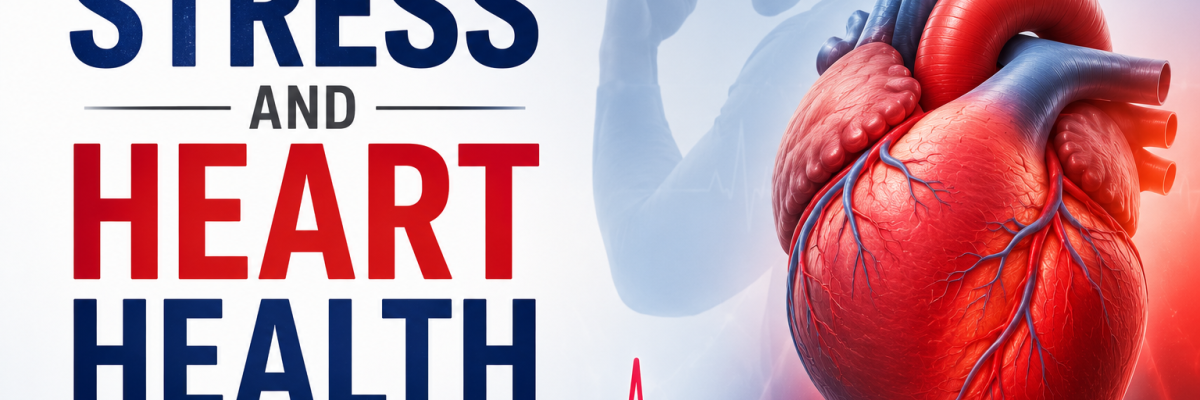
Stress has become an unavoidable part of modern life. Deadlines, financial concerns, family responsibilities, and unhealthy lifestyles can all contribute to chronic stress. While many people associate stress with mental health, few realize its significant impact on the heart. 1Stress and Heart Attack: Understanding the Hidden Connection Prolonged stress can increase the risk of heart disease and heart attacks. Consulting the best cardiologist in Kolkata can help detect early warning signs and reduce your cardiovascular risk through timely evaluation and treatment.
How Stress Affects Your Heart
When you are stressed, your body releases hormones such as adrenaline and cortisol. These hormones temporarily increase your heart rate and blood pressure, allowing your body to respond to challenging situations. However, when stress becomes chronic, these constant hormonal changes put excessive strain on the heart and blood vessels. Over time, this may lead to inflammation, artery damage, and plaque buildup, increasing the likelihood of a heart attack.
Stress-Related Habits That Increase Heart Attack Risk
Stress often leads to unhealthy lifestyle choices that further damage heart health. Many people cope with stress by smoking, consuming alcohol, eating unhealthy foods, skipping exercise, or sleeping poorly. These habits contribute to obesity, high cholesterol, diabetes, and hypertension, all of which are major risk factors for heart disease. Regular consultation with the best cardiologist in Kolkata can help identify these risks early and provide effective preventive care.
Warning Signs You Should Never Ignore
A heart attack may present with symptoms such as chest pain, pressure or discomfort, shortness of breath, excessive sweating, dizziness, nausea, fatigue, and pain spreading to the jaw, neck, shoulder, or left arm. Sometimes, symptoms may be mild or atypical, especially in women, older adults, and people with diabetes. Seeking medical advice from the best cardiologist in Kolkata at the earliest sign of these symptoms can be life-saving.
Ways to Reduce Stress and Protect Your Heart
Managing stress is essential for maintaining good heart health. Regular exercise, yoga, meditation, deep breathing exercises, healthy eating, and getting 7–8 hours of quality sleep every night can significantly reduce stress levels. Spending time with family, maintaining hobbies, and seeking counselling when needed also help improve emotional well-being and reduce the burden on your heart.
Importance of Regular Heart Check-ups
Routine health screenings help detect heart disease before it becomes serious. Blood pressure monitoring, cholesterol testing, blood sugar evaluation, ECG, echocardiography, and stress tests can identify hidden cardiovascular problems. The best cardiologist in Kolkata can recommend appropriate investigations and personalized treatment plans based on your age, medical history, and risk factors.
Conclusion
Stress may not always directly cause a heart attack, but it significantly increases the risk by affecting both your body and lifestyle. Taking steps to manage stress, maintaining healthy habits, and undergoing regular cardiac evaluations can greatly improve heart health. If you experience chest pain, breathlessness, or persistent fatigue, do not ignore these symptoms. Consulting the best cardiologist in Kolkata ensures expert diagnosis, timely treatment, and comprehensive heart care, helping you protect your heart and enjoy a healthier future.